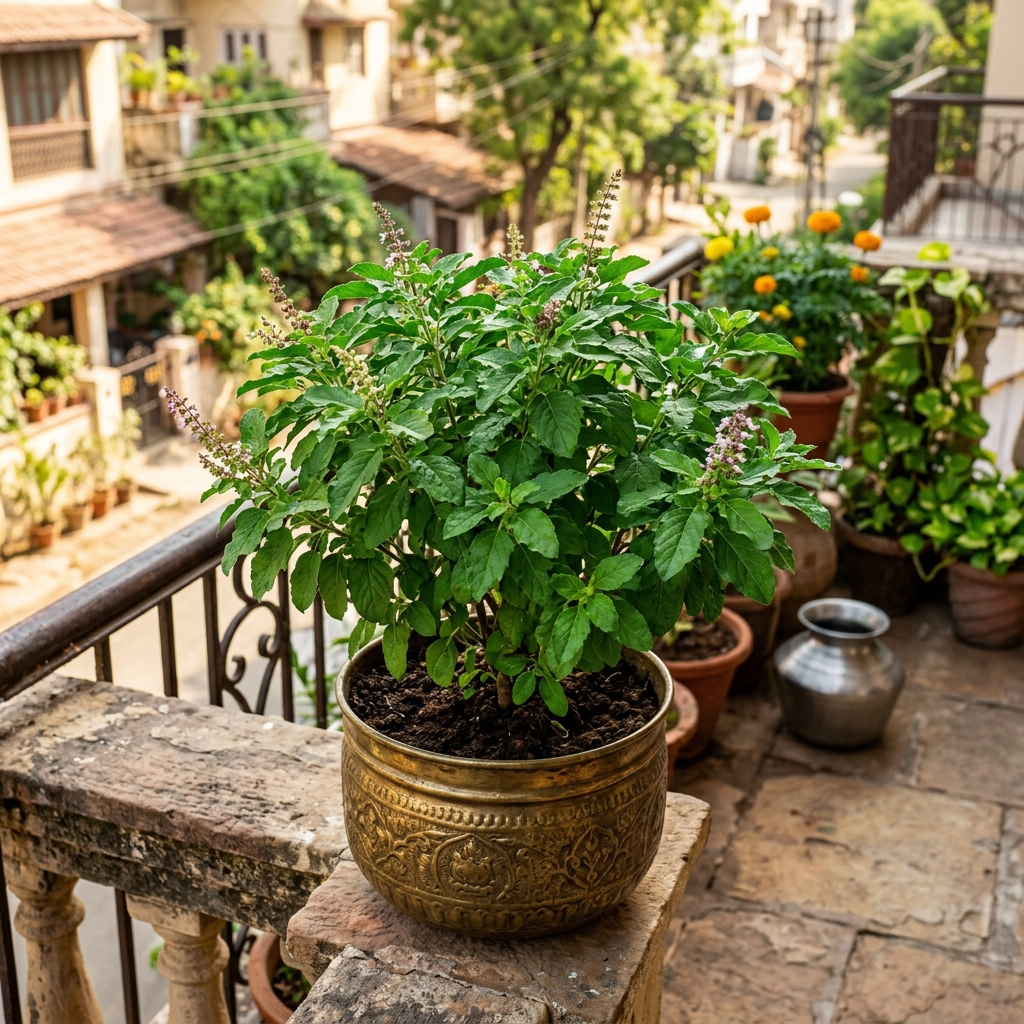
Trash to Treasure
Gardening can be an expensive hobby if you are constantly buying designer ceramic pots for every new cutting. However, a core tenet of the green lifestyle is upcycling—taking items destined for the landfill and elevating their value. Almost any container that can hold soil can become a planter, provided it has proper drainage. Here is an 800-word guide to turning common household "trash" into unique, conversation-starting planters.
The Golden Rule: Drainage is Everything
Before we dive into upcycling ideas, there is one absolute rule you must follow: every single planter must have drainage holes. If water cannot escape the bottom of the container, the soil will become a swamp, the roots will rot, and the plant will die.
If you are upcycling plastic, a heated nail or a power drill makes quick work of adding holes. For metal tins, a hammer and a large nail work perfectly. For ceramics or glass, you must use a specialized diamond-tipped drill bit and drill slowly under running water to prevent cracking.
1. Vintage Tea Tins and Coffee Cans
Old, colorful metal tea tins (like those classic Indian chai tins) make incredibly charming, vintage-looking planters for small succulents or herbs. Over time, the metal may rust slightly, adding a beautiful, rustic patina to your garden aesthetic.
How to: Punch 3-4 holes in the bottom using a hammer and nail. Line the bottom with a thin layer of small pebbles to keep the soil from falling out, fill with a well-draining cactus mix, and plant your succulents.
2. The Classic Plastic Bottle Tower
Empty 2-liter soda bottles or large 5-liter water cans are an unfortunate reality of modern life, but they are incredibly useful for vertical gardening. They are perfect for growing shallow-rooted herbs like mint, coriander, and spinach.
How to: Cut the bottle in half horizontally. You can invert the top half (with the cap off) into the bottom half to create a self-watering sub-irrigated planter! Alternatively, cut a large rectangular window in the side of the bottle, lay it horizontally, and string several together using strong twine to hang against a wall.
3. Broken Mugs and Teacups
We all have that favorite ceramic coffee mug that chipped at the rim, rendering it unsafe to drink from, but too sentimental to throw away. These are perfect for displaying tiny, slow-growing plants like Haworthias, Lithops, or a single cutting of a trailing Pothos.
How to: This requires patience. Place a piece of masking tape over the bottom of the mug (this prevents the drill bit from slipping). Using a masonry or diamond drill bit, apply gentle, even pressure until you punch through the ceramic. Do not force it, or the mug will shatter.
4. Old Tires for Large Shrubs
Discarded car or motorcycle tires are a massive environmental hazard, but they make indestructible, highly insulating planters for larger outdoor spaces or terraces. They are perfect for growing large fruiting vegetables like tomatoes or deep-rooted flowers like marigolds.
How to: Wash the tire thoroughly. You can stack two tires on top of each other for deep-rooted plants. To make them aesthetically pleasing, wrap them tightly with thick jute rope (securing it with hot glue) for a rustic look, or paint them with bright, vibrant outdoor acrylic paints.
5. Wooden Crates and Pallets
Old fruit crates or wooden shipping pallets are fantastic for creating large, raised bed-style planters on a balcony. The wood provides a gorgeous, natural aesthetic.
How to: Wood rots when in constant contact with wet soil. You must line the inside of the crate with a thick, heavy-duty plastic sheet (like an old thick garbage bag or tarp). Use a staple gun to secure the plastic to the inside walls, and make sure to poke multiple drainage holes through the plastic at the bottom before adding your soil.
Conclusion
Upcycling forces you to look at everyday objects with a creative lens. It saves money, reduces landfill waste, and results in a highly personalized, eclectic garden that tells a story. The next time you are about to throw something away, pause and ask yourself: "Can a plant grow in this?"